The Energy Transition Is a Systems Story
Clean power is only one part of the equation. Grids, storage and demand determine what comes next.
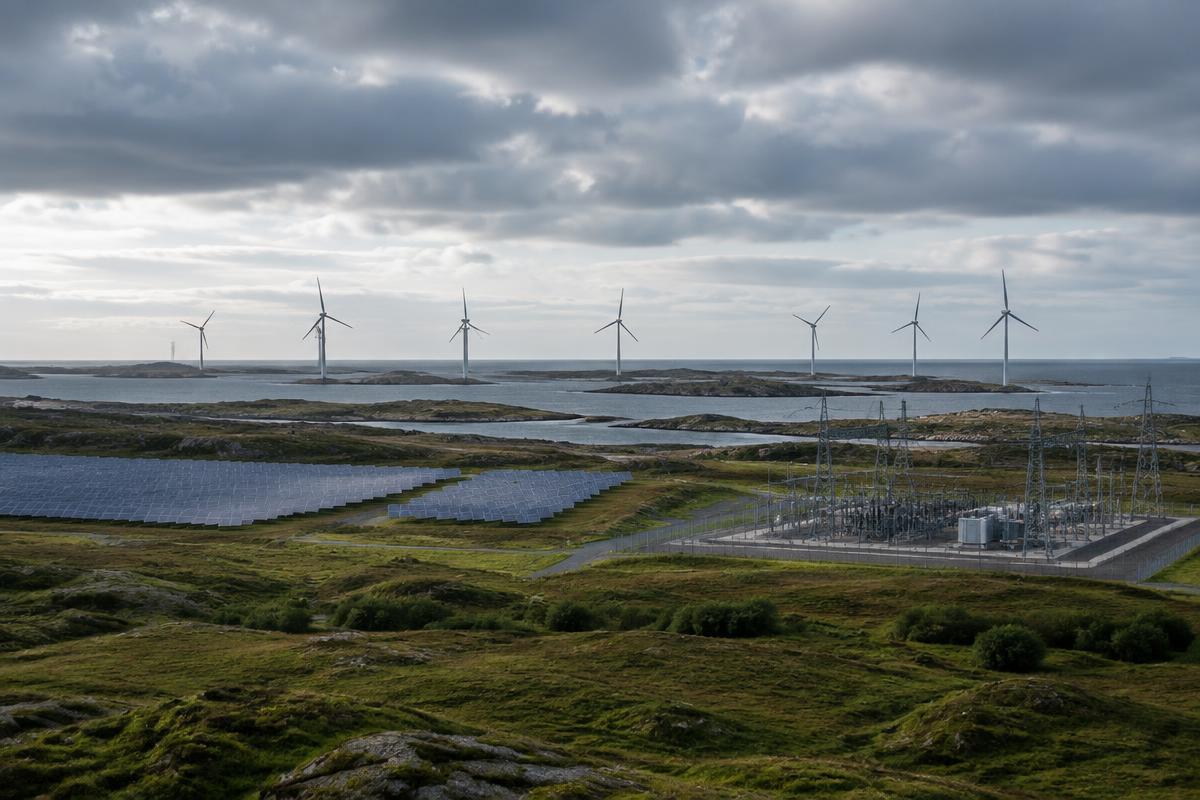
Wind turbines and solar panels are visible symbols of the energy transition. The less visible work lies in connecting generation to the places that need power. An electricity network must accommodate changing supply and demand while continuing to provide reliable service.
Beyond generation
Clean power capacity alone cannot tell the whole story. Transmission carries electricity across distances; distribution delivers it locally; storage and flexible use can help manage periods when production and demand do not coincide. Each part has its own planning, maintenance and investment requirements. A project that looks promising in isolation may have limited value if the surrounding network cannot support it.
The long horizon
Infrastructure decisions last for decades. Planning for reliability alongside lower emissions asks communities, utilities and policymakers to consider not just individual projects but the system they form together. Siting, land use and affordability are part of that conversation, because an energy transition has to work for the people living with its physical and economic effects.
A measure of progress
No single photograph captures a transition this complex. Progress can be seen in the less dramatic work of upgrading connections, improving resilience and using energy more intelligently. The question is not merely how much new power can be built, but how well the entire system functions as it changes.
The byline
VAUBAN VALIOS Editorial
The VAUBAN VALIOS editorial desk.