The Public Space Question
What makes a city feel like it belongs to everyone? The answer begins with the places we share.
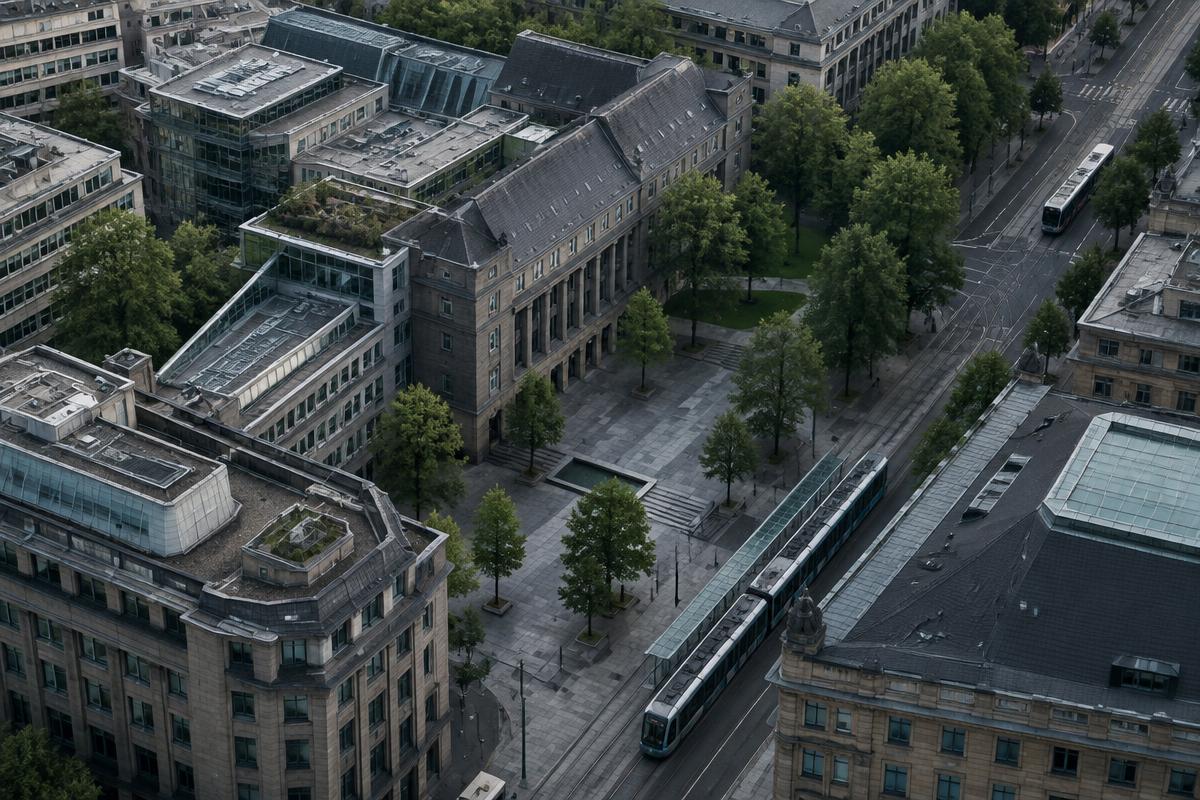
A public square can be a shortcut, a meeting place or a place to pause. Its design influences which of those possibilities are open to the people who pass through it. Public space includes more than landmark parks: sidewalks, crossings, libraries and small neighbourhood places are part of the same everyday network.
More than a master plan
Streets, libraries and parks are often discussed as pieces of infrastructure. They are also everyday expressions of access. A shaded bench, a safe crossing and a place to sit without buying anything can change how welcoming a neighbourhood feels. These details are especially important for people whose journeys involve children, limited mobility or a need to stop along the way.
Designing for daily life
The useful question is not only how a space looks when it opens. It is how it works on an ordinary afternoon: whether it is comfortable to linger, whether different ages can use it, and whether it remains connected to the rest of the city. Local consultation can identify needs that are easy to miss in drawings, from shade to lighting and clear routes.
Care is part of design
A place remains public only if people can continue to use it. Maintenance, accessibility and decisions about how a space is managed determine whether an inviting design stays inviting. Public space is never finished; its success depends on care and a willingness to listen to the people who use it.
The byline
VAUBAN VALIOS Editorial
The VAUBAN VALIOS editorial desk.