Where Learning Happens
The case for spaces that make curiosity possible beyond the classroom.
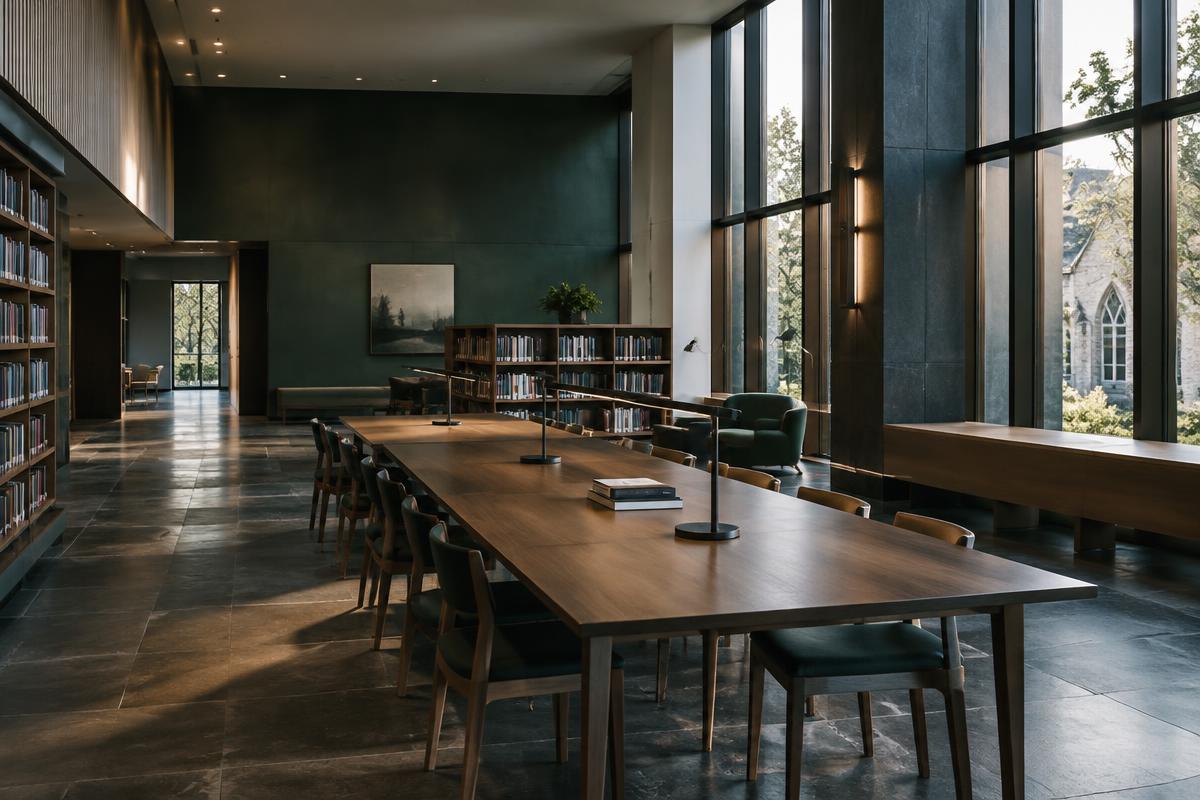
Learning does not belong to a single building or a single stage of life. Libraries, shared workspaces and community rooms can offer room to think, ask questions and meet others. They can be particularly useful when a person needs resources or a quiet place that may not be available at home.
A place to return to
An accessible learning space offers more than a collection of resources. It provides time and attention: somewhere to read, work quietly or exchange ideas without needing to be somewhere else. Library staff, educators and community organisers can help people find materials and navigate new subjects, but their work requires sustained support as well as welcoming buildings.
Built for different lives
Good spaces accommodate different ways of learning. Light, seating, opening hours and the ability to move between solitude and conversation all shape who can use them. Physical accessibility matters, as does the practical question of whether a place is easy to reach and comfortable to use regularly.
Learning beyond a course
Formal education provides essential structure, but curiosity often continues after a course ends or a career changes. A community learning space can make that continued exploration more possible without promising that a building alone will solve unequal access to education. The future of learning is partly a question of place: where can people go when curiosity asks for more room?
The byline
VAUBAN VALIOS Editorial
The VAUBAN VALIOS editorial desk.